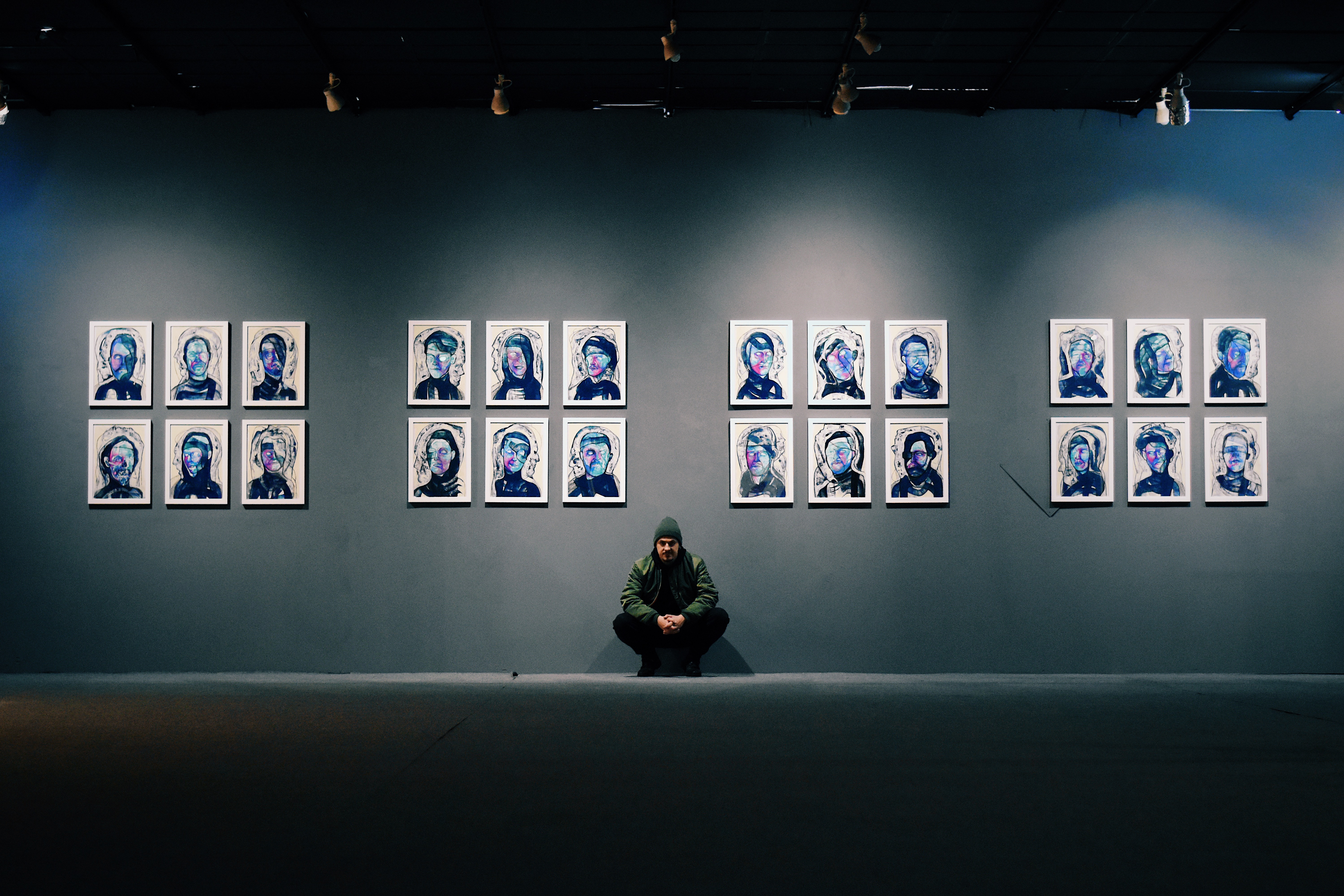
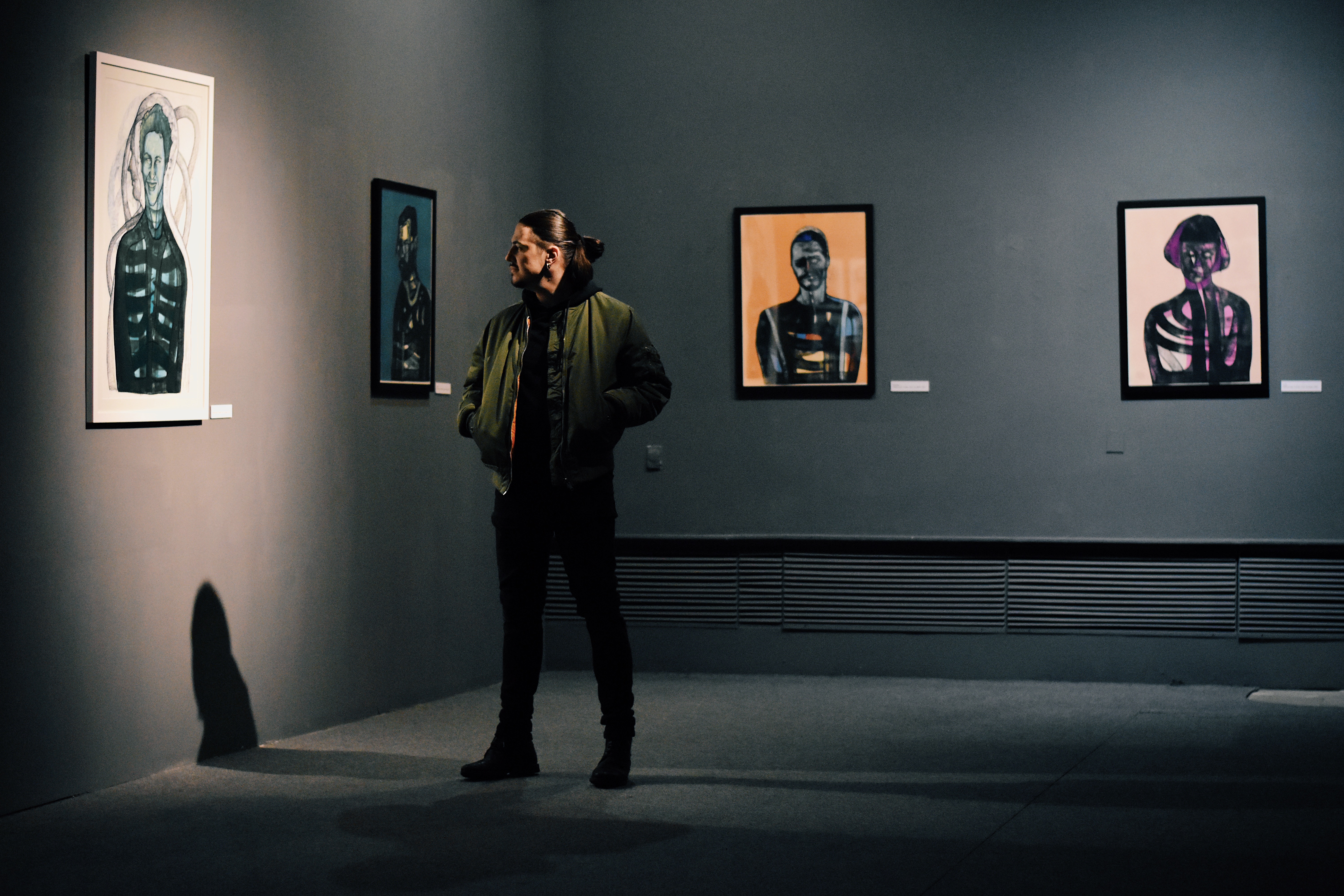
REJECT, HISTOY MUSEUM OF BOSNIA AND HERZEGOVINA
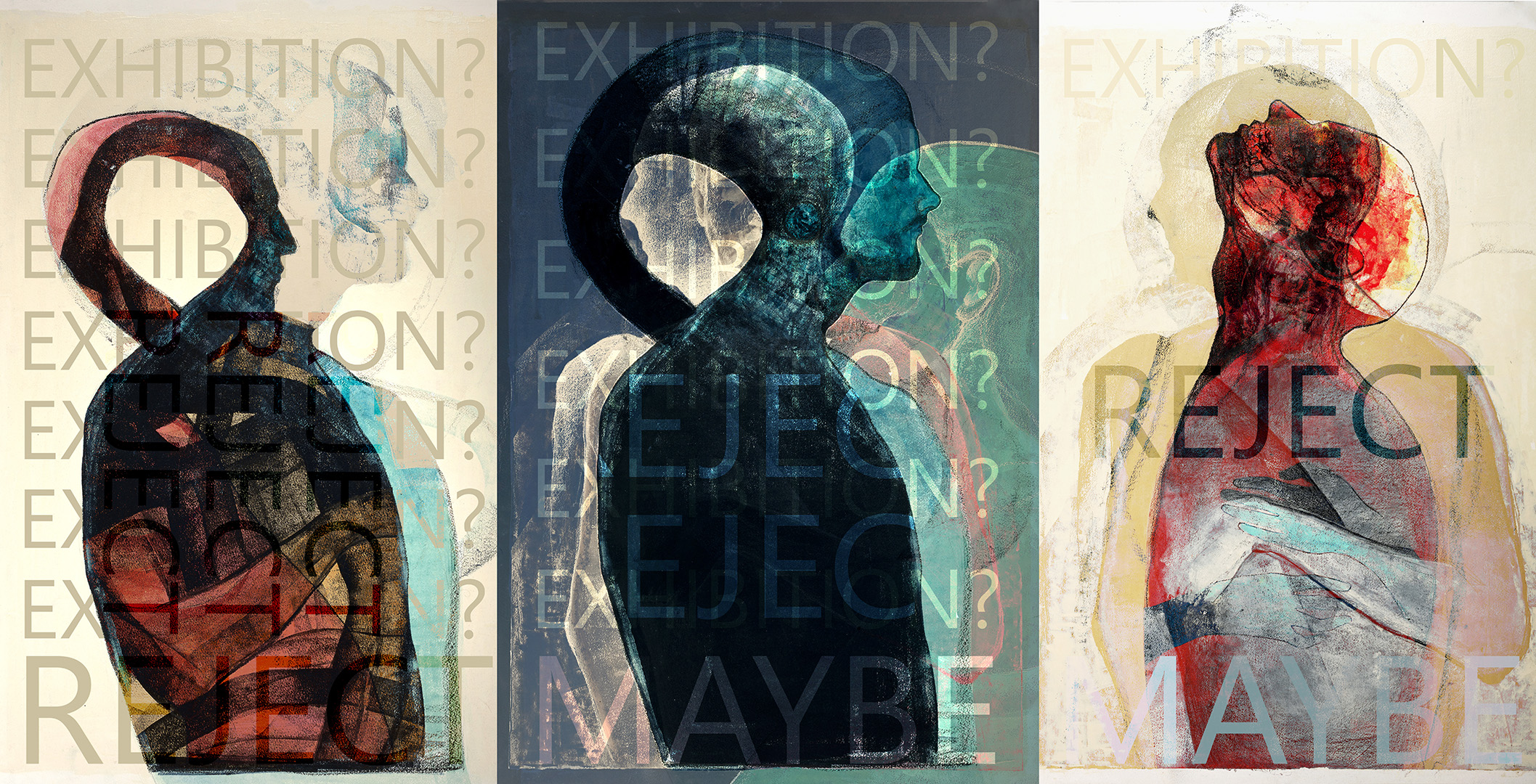
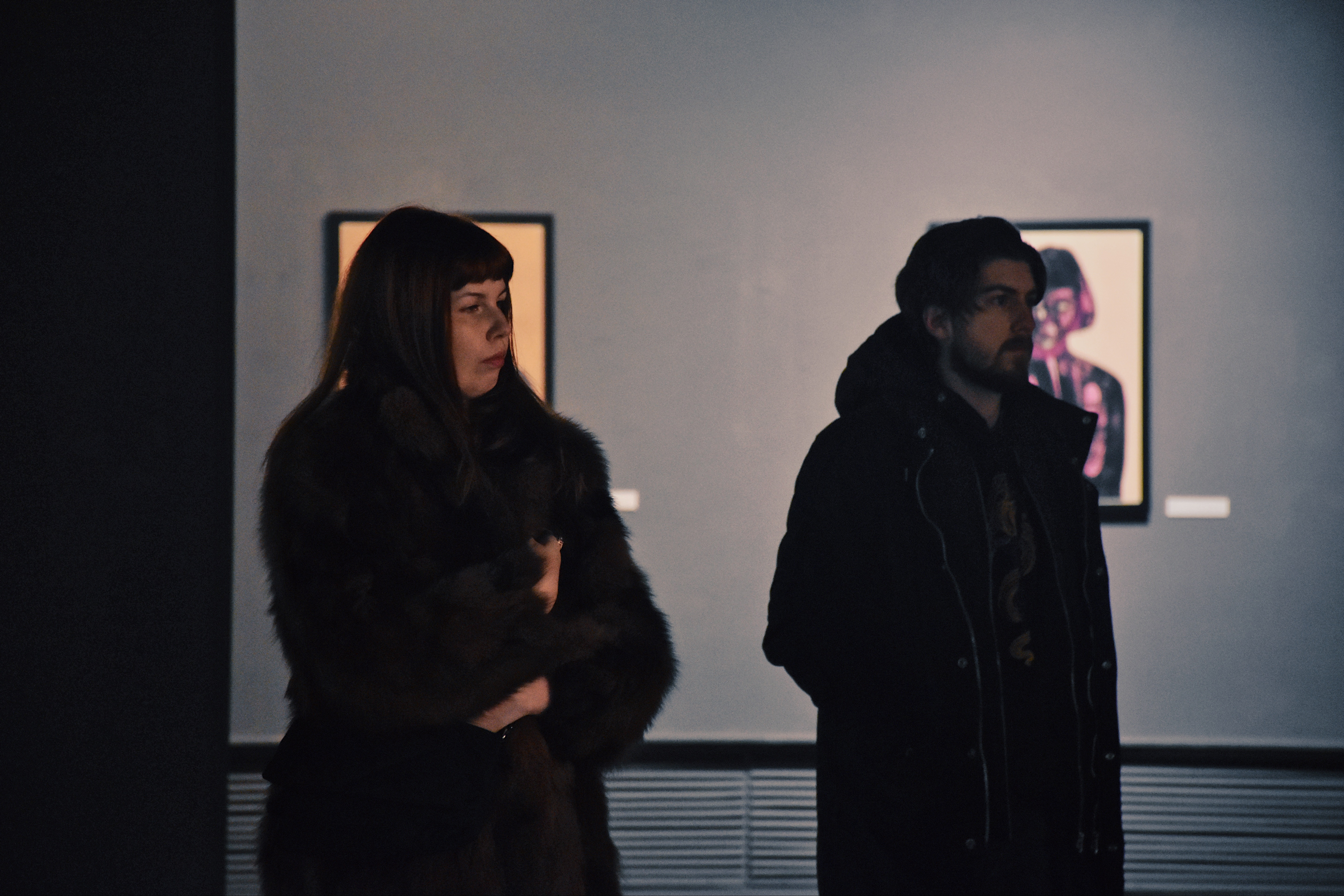
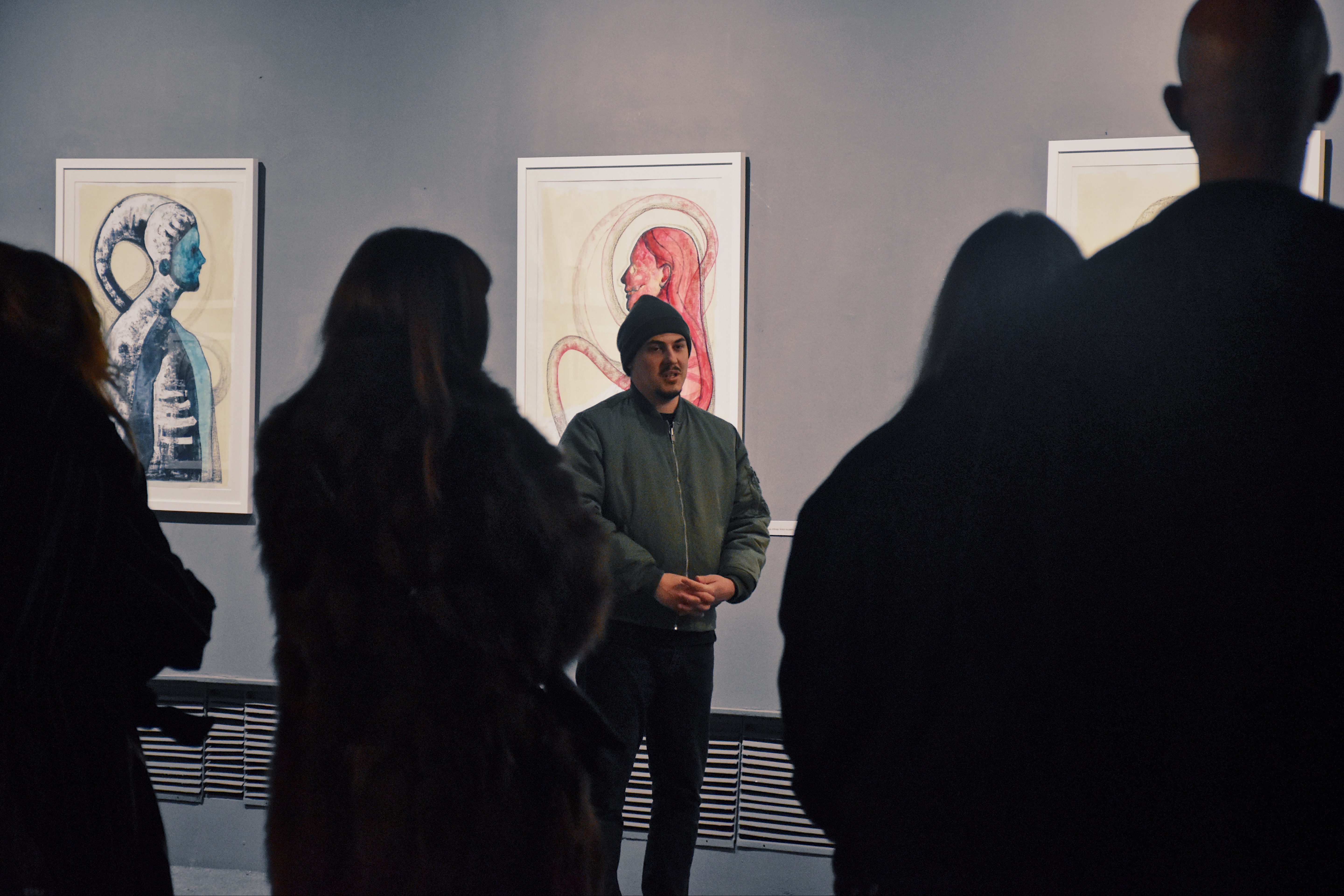
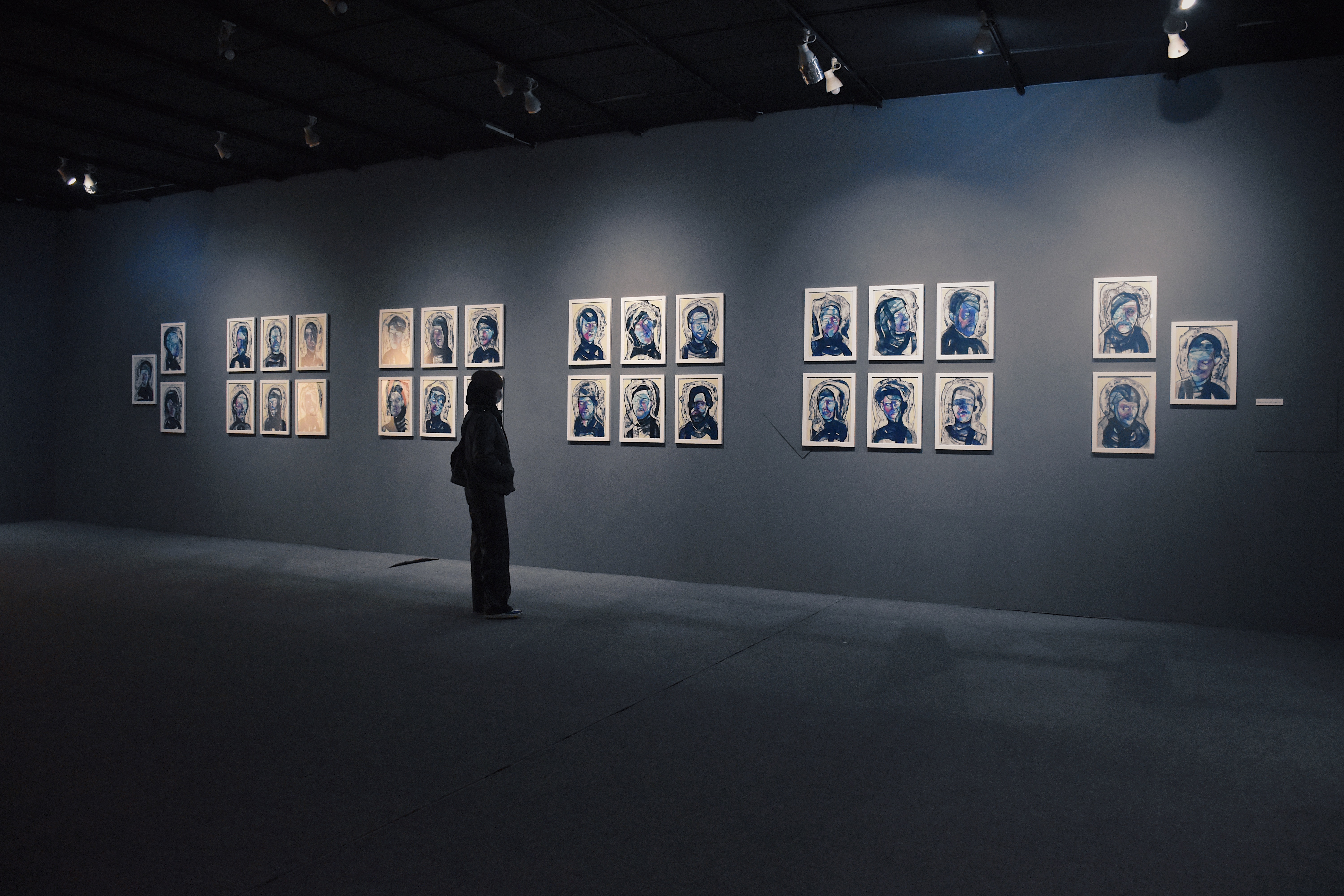
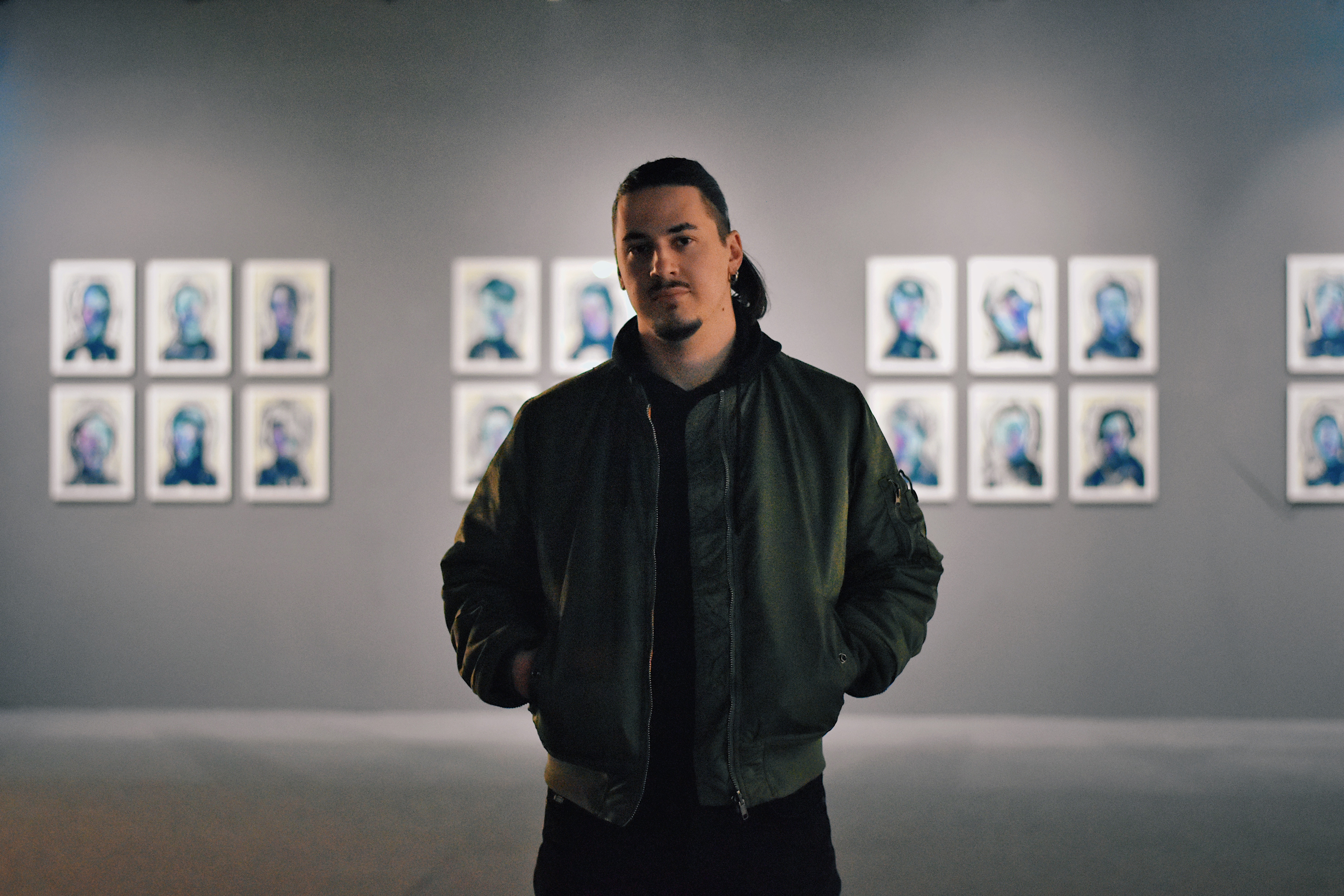
“Reject” by Denis Haračić, is an exhibition showcasing over 50 works and a specifically recorded soundscape in collaboration with Bosnian D&B musician, producer and sound designer Billan. The exhibition was first shown under the curatorial guide of curator Adna Muslija, at the History Museum of Bosnia and Herzegovina from December 21st 2021 to January 10th 2022.
In a still ongoing attempt to portay a cross-section of Bosnia and Herzegovinas devalued, young cultural scene as well as the idea of thriving individual potential the author states that this exhibition is certainly a very important turning point in his work so far, given that it deals with problems and circumstances in which the whole scene lives and survives. According to the general situation in which Bosnia and Herzegovina finds itself today, the cultural scene is experiencing a special kind of devaluation. This fact is actually nothing new, but what is worrying in this context is that in the last ten years there is a loss of entire generations of quality artists, performers and workers in all fields of culture. The artists work is dedicated to those people who find their identity in art and who do their job regardless of these circumstances, often driven by pure conviction. BiH is a fertile ground for artistic activities, and its cultural scene survives solely on the efforts of individuals. The gallery space in which the exhibition Reject was set up at the History Museum of BiH, should communicate exactly that idea.
Reject – art from and about the margins, by curator Adna Muslija
Reject, a word which when translated from English signals refusal, dropping, something rejected as a surplus. The title of the exhibition could lead one to think that the artist plays with recycled materials, topics, or concepts, which is not a rare or unknown artistic strategy in the Art history of the XXth and XXIst centuries. Nevertheless, the notion of rejection doesn’t reflect an artistic strategy nor a retro avant-garde citation, but a feeling that accompanies the life experience of young artists in the Balkans.
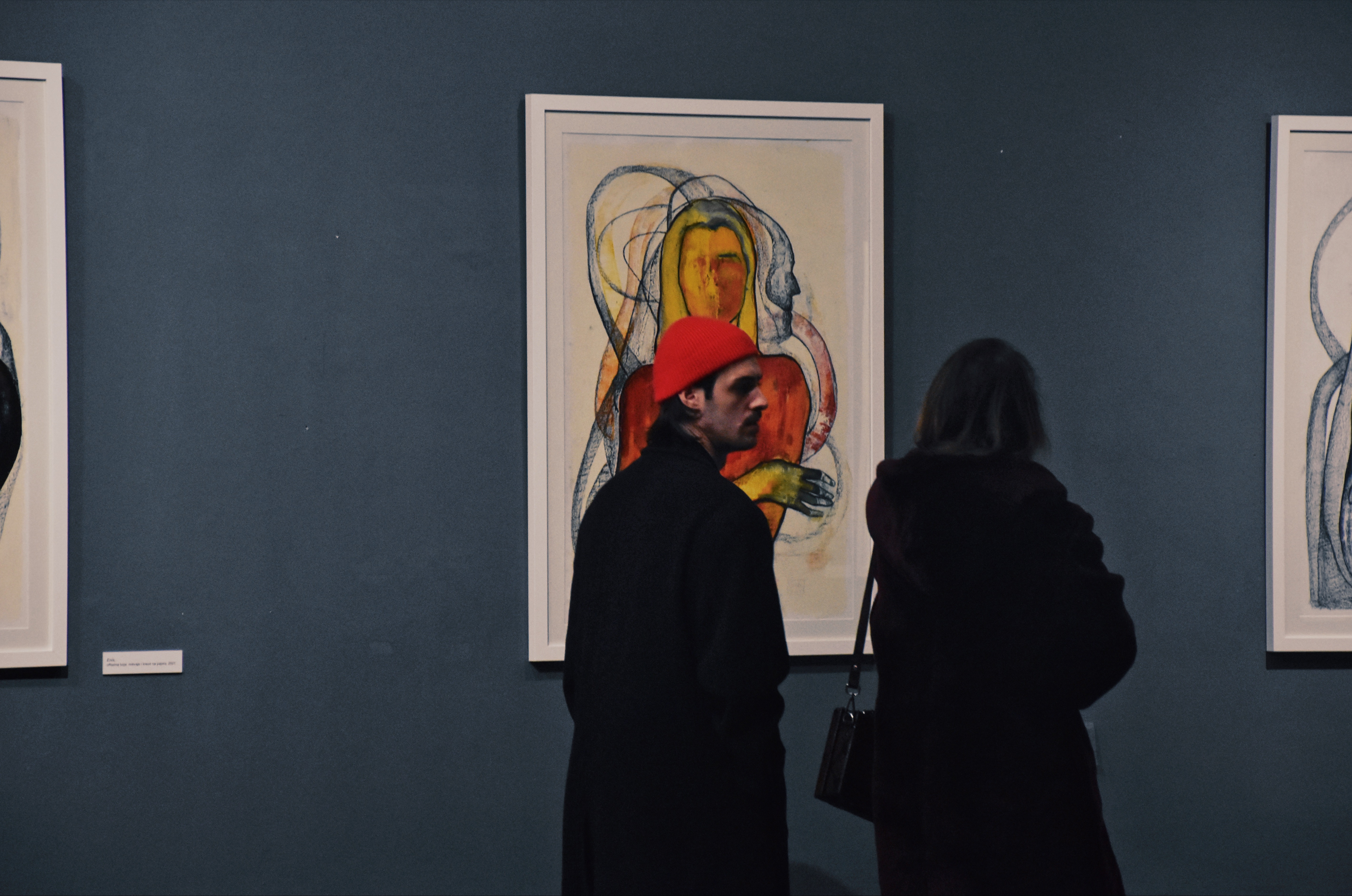
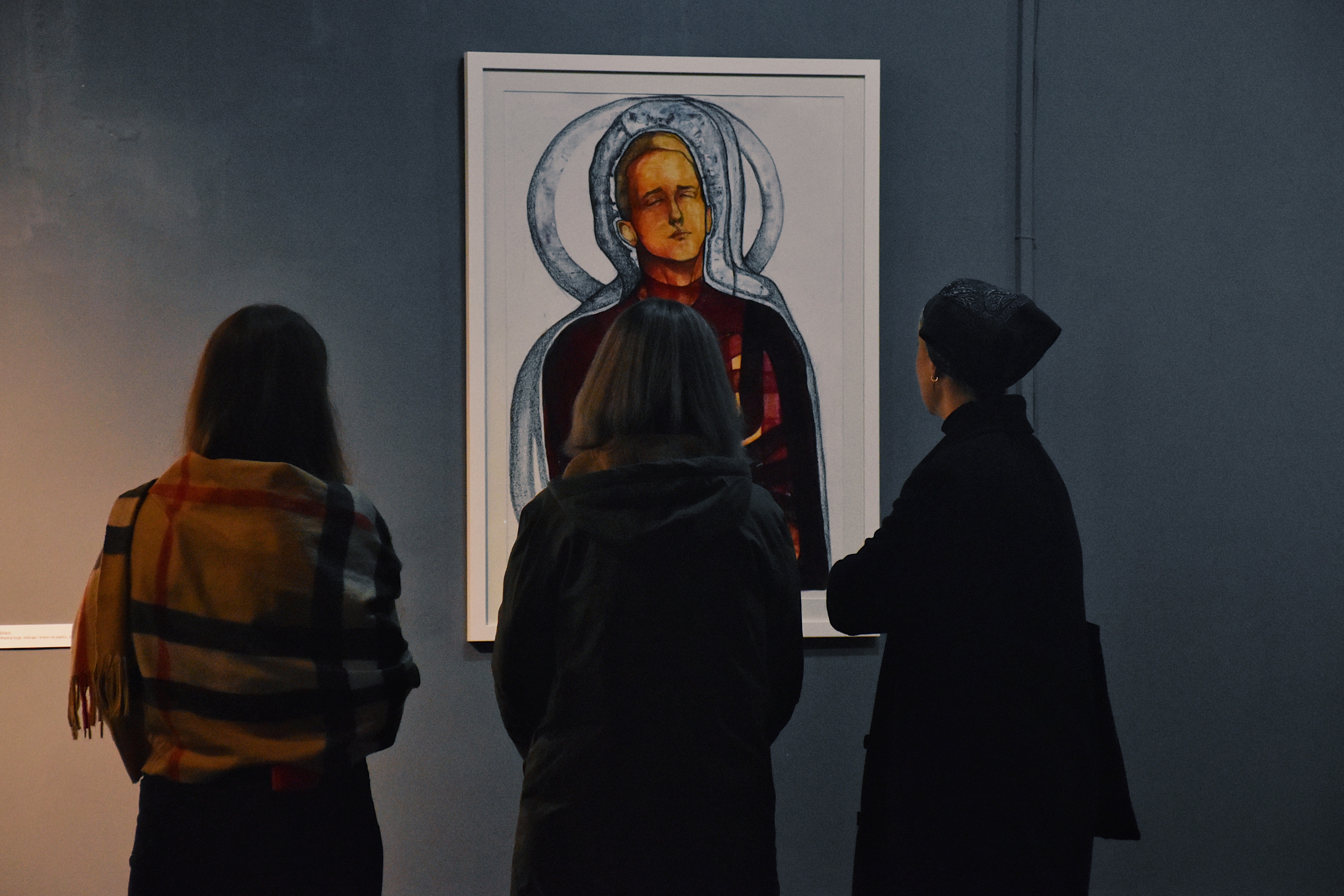
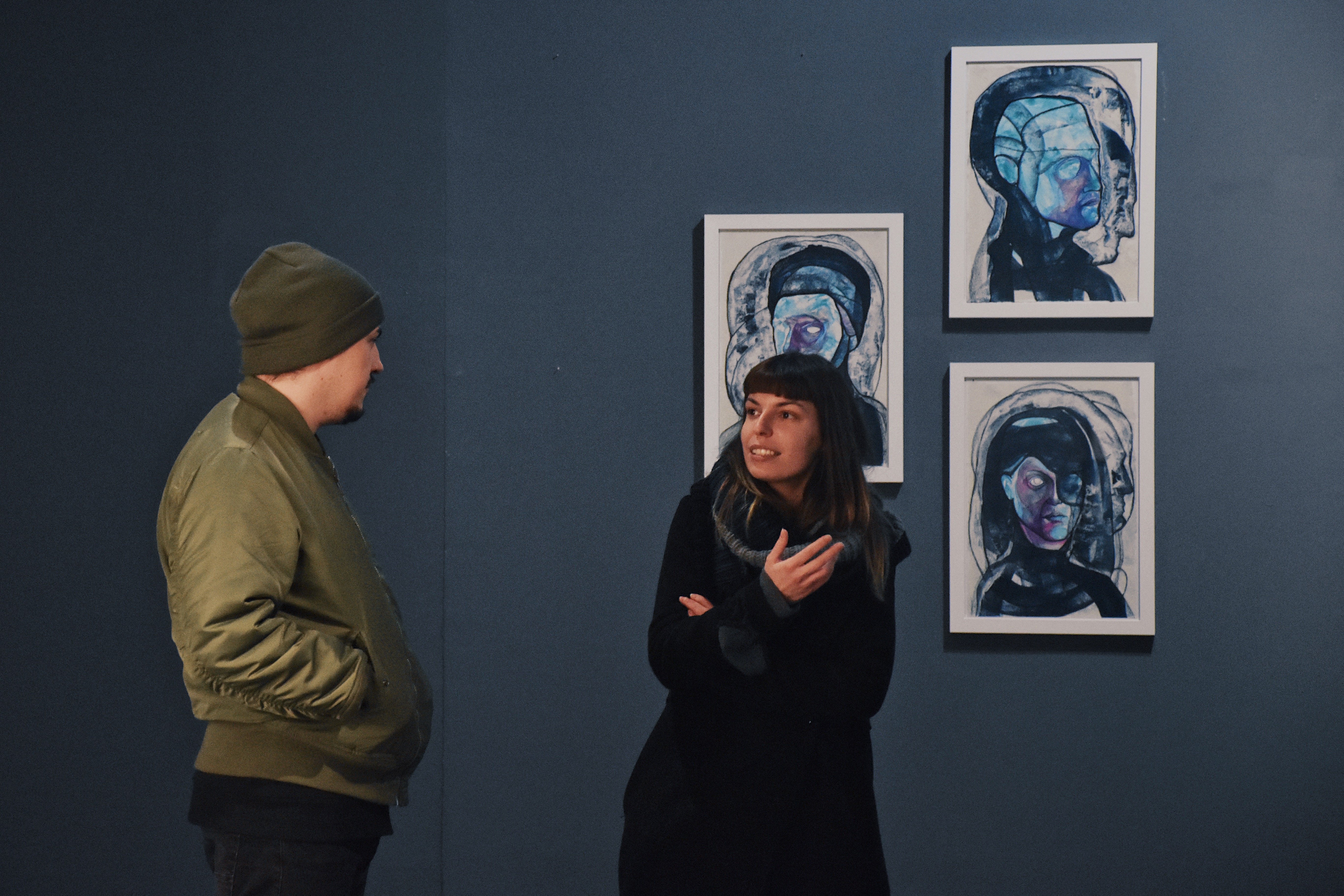
In his most recent cycle “Reject”, Denis Haračić, a young but already well-established visual artist, subtly articulates the situation of the cultural and art scene in Bosnia and Herzegovina. Representation of the universal in figures deprived of identity, which was at the core of Haračić’s previous works, now seems rejected and replaced with the search for the universal in individuality. What could be recognised as the materialisation of the soul in previous works, now has the contours of individuality and is becoming a representation of the young artist. The abstract and refined figures of young artists, writers, musicians in their collectivity remind of soldiers, but not the ones who symbolise the decay of human potential that one could see in the previous Haračić’s works, but the revolutionary soldiers, utopists, idealists, and optimists who despite numerous rejections (as a capitalist surplus) or negations (as an ideological waste), go on marching onward. The collective feeling of rejection and non-belonging is used as a driving force, and every negative connotation of the word reject transforms into positive. It becomes unifying, inspiring, encouraging, and generous.
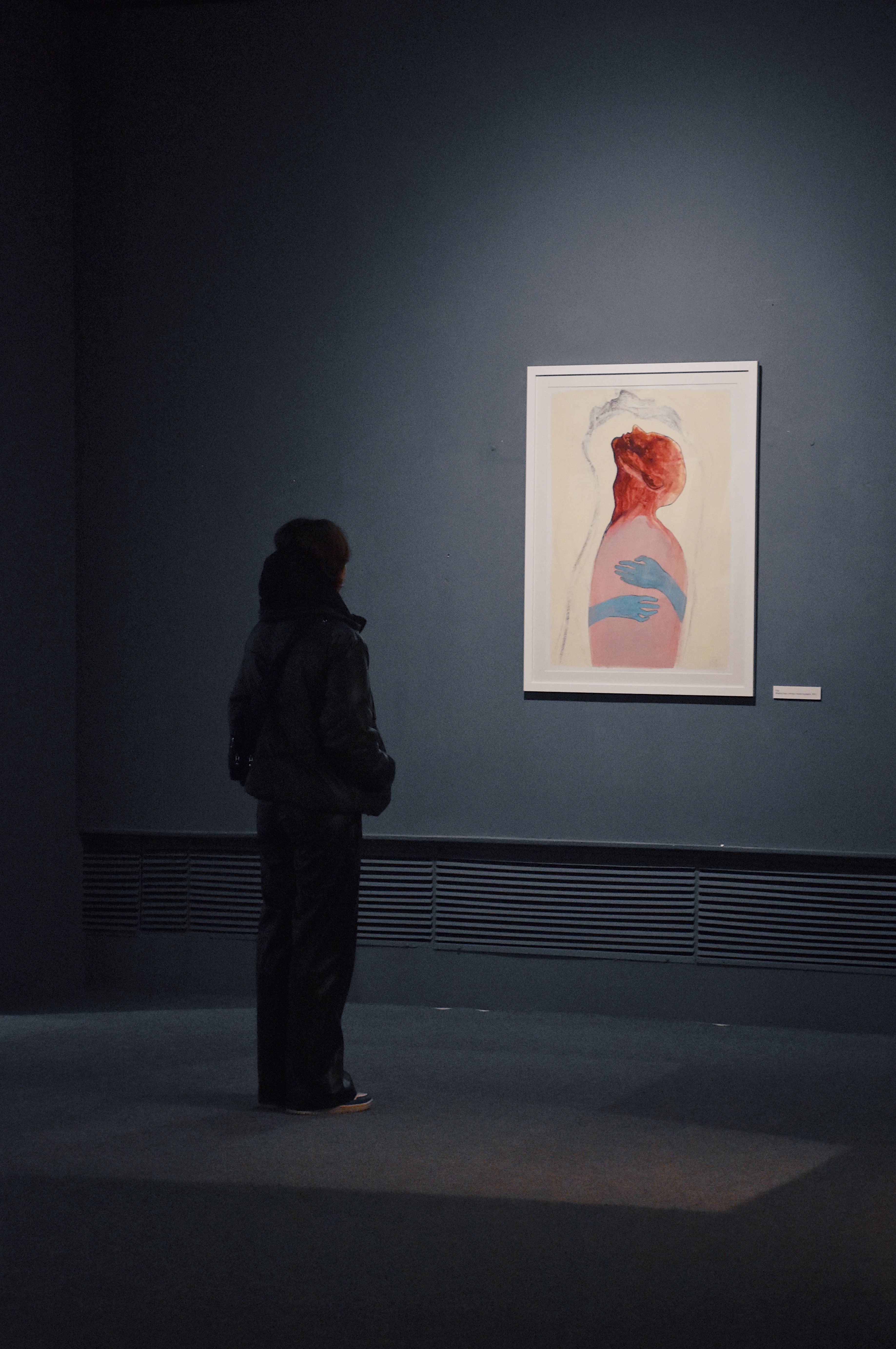
On the other hand, a sort of refusal could be noticed in the very form of the work. In this cycle, Haračić summarises his technical-technological experience. By trading the traditional pure graphic techniques for the more experimental and marginal technique of monotype, and by investing more in the painting and drawing realms, he refuses the classical and academic model. This refusal is the result of the search for his unique language which in the end takes the shape of an idiosyncrasy towards everything that is already defined and specified. The prejudice that the art of multi-originals ends with the edition of monochrome graphic papers is neutralised by multi-coloured monotypic originals, while paintings and drawings with a clearly emphasised interest in texture, show the maturity of Haračić as a painter.
Experimentation in the formal performance of the work indicates Haračićs dedication to fine arts. This remains the priority of the artist but doesn’t lessen the concepts and contents. At the same time, such persistence in testing the limits and possibilities of colour, line, and surface, testifies to the artists effort to test the power of visual communication, while suggesting the question: How potent is the visual art of influencing the observer and what is the significance of culture in general today? Haračić remains faithful to the fine arts and the visual, fighting against the rejection of art as a surplus. Also, while using young artists who have inspired him, as s artistic motif, returns the focus on the potential and importance of culture.
Reject is a multi-layered, complex, and extraordinarily important artistic cycle. It is the product of a founded dissatisfaction, but also a step toward its resolution – together, united, (we) rejected shall win. This is the reason why every pronunciation of the word “reject” while looking at Haračić’s pieces, is followed by a silent echo of the word “accept”.
CURATED BY: Adna Muslija
PRESENTED AT: History Museum of Bosnia and Herzegovina